
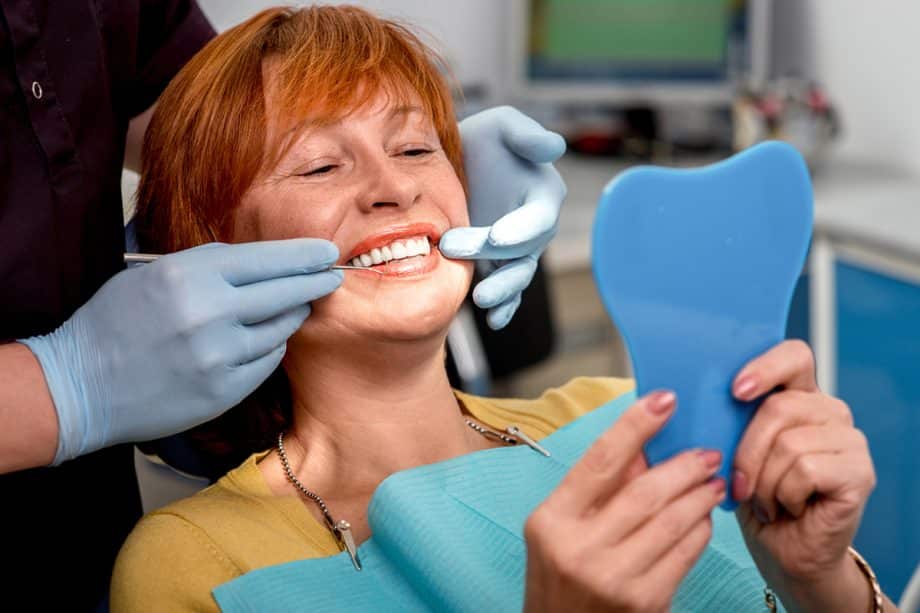
Dental implants are a long-term option for replacing missing teeth. An implant is surgically placed in the jawbone to replace the natural tooth root, providing support for a dental prosthetic such as a crown, bridge, or denture.
Successful implant placement requires enough healthy, dense jawbone to support the implant. But patients with missing teeth often have some degree of bone loss in the jaw due to the absence of one or more teeth. This does not necessarily disqualify patients, but it may mean that some preparation will be necessary to be a candidate for implants.
One option is bone grafting, a procedure that may be recommended when the existing bone is not strong or substantial enough for implant placement. Bone density concerns can make bone grafting necessary during the implant process.
Why Jawbone Health Matters for Dental Implants
What makes dental implants the gold standard in tooth replacement is the fact that they are placed directly into the jawbone. A titanium post is surgically implanted in the jaw where it integrates with the bone, forming a solid bond that is similar to your natural tooth roots.
To be a good candidate for dental implants, you must have sufficient bone density to support the implant. The bone must be wide enough and thick enough to have room for an implant to be placed successfully. Some patients may be eligible for dental implants immediately, yet others may need some preparation.
When Is Bone Grafting Needed Before Dental Implants?
If you have experienced bone loss, it doesn’t mean you can never get dental implants. Many patients have some degree of bone loss due to missing teeth. The good news is that bone grafting offers an option to prepare the jaw for dental implants.
Every patient is different, so the need for bone grafting is determined through an individual evaluation and treatment plan. We also offer different implant options for patients with varying amounts of available jawbone.
How Bone Grafting Helps Prepare the Jaw for Implants
The purpose of bone grafting is to strengthen or rebuild an area of the jaw so it can better support an implant. The procedure involves the placement of bone material in areas of weakened or shrunken bone. The graft bonds with the existing bone and stimulates regeneration of lost bone tissue.
Bone grafting can add time to the overall implant process because the area may need to heal before implant placement. But creating a stronger foundation can help improve the stability of the future implant. The additional preparation may be worthwhile when it improves the chances of successful long-term tooth replacement.
What to Expect From the Dental Implant Process After Bone Grafting
The timing of implant placement depends on the patient's individual needs and the amount of bone preparation required. After bone grafting a 3-9 month healing period is needed while the graft bonds with the bone and the tissue grows stronger.
Once adequate bone is available, the implant can be positioned in the jaw. After implantation, another 3-6 month healing period is necessary before the permanent restoration can be attached.
Find Out If Bone Grafting Should Be Part of Your Dental Implant Treatment
Patients who are missing teeth will need to have their jawbone and overall oral health evaluated to determine candidacy for dental implants. This will likely involve digital imaging, such as a panoramic X-ray or a CBCT scan.
At R. Renan Williams, DDS our patient-focused approach, advanced procedures, and emphasis on personalized dental care allow us to evaluate each patient on an individual basis and determine the best course of treatment.
Patients in North Richland Hills and the surrounding communities can schedule a consultation to learn whether dental implants and bone grafting are appropriate for your needs.
Frequently Asked Questions About Bone Grafting for Dental Implants
Does everyone need bone grafting before dental implants?
Bone grafting is not necessary for every patient. Patients who already have healthy, dense jawbone may be able to proceed with implant treatment without grafting.
Does bone grafting make the dental implant process take longer?
It can extend the treatment timeline because the grafted area may need time to heal before the implant can be placed. Implant treatment can take several months, especially when bone grafting is necessary. But once the process is complete, your restoration can last a lifetime.
Can dental implants help prevent future bone loss?
Dental implants can help reduce the risk of bone loss in areas where teeth are missing by stimulating the surrounding bone.
How long does it take for a bone graft to heal before dental implant placement?
Healing time varies depending on the type and extent of the bone graft. In some cases, patients may need several months of healing before the jaw is ready to support a dental implant.
What happens if I need a bone graft but choose to skip it?
If there is not enough healthy jawbone to support a dental implant, placing the implant without proper preparation may affect its stability and long-term success. Your dentist can evaluate the area and recommend whether bone grafting is necessary before moving forward with implant treatment.
Renan Williams, DDS provides compassionate, personalized dental care in a comfortable, family-like environment in North Richland Hills, TX. We offer dental implants and other comprehensive dental services with a focus on precision, advanced treatment, and long-term oral health. Contact us today to schedule a consultation.